Kenya steps up engagement with WADA amid doping watchlist pressure

Kenya is intensifying engagement with WADA and rolling out anti-doping reforms as it seeks to exit the global Watchlist and avoid sanctions ahead of 2027 Code changes and major championships.
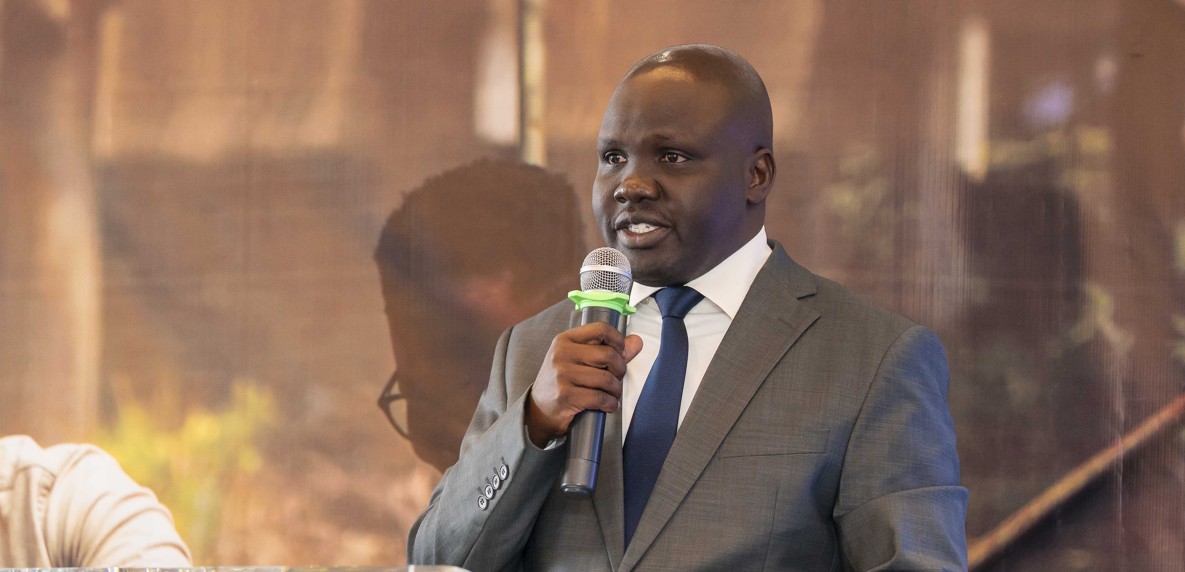
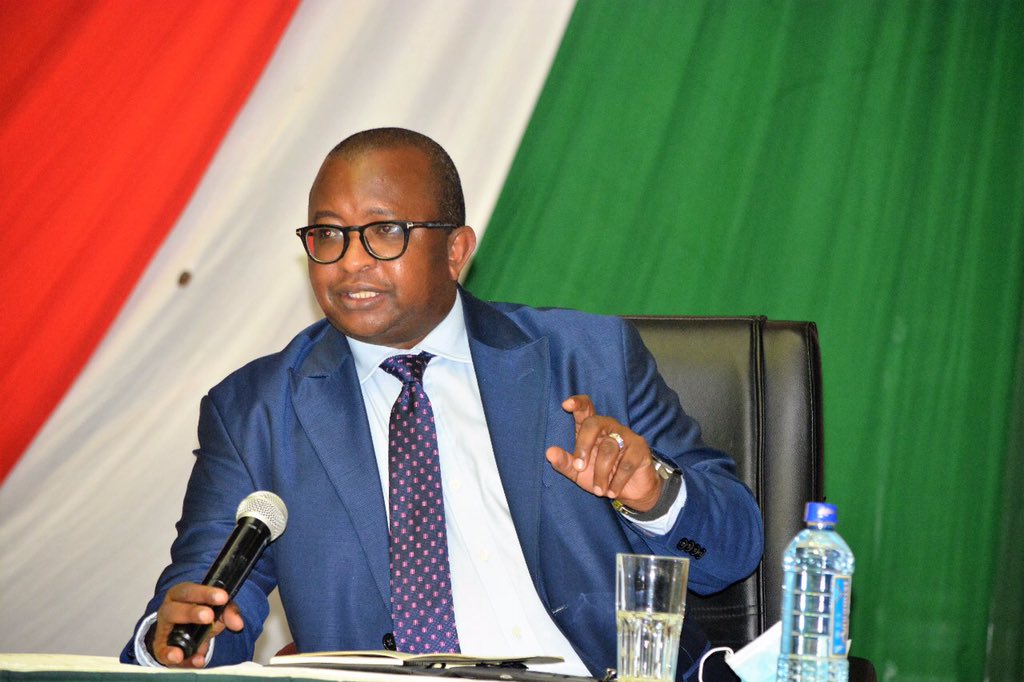
Kenya has stepped up its engagement with the World Anti-Doping Agency (WADA) as the country continues to address longstanding shortcomings that placed it on the global watchlist, Sports Cabinet Secretary Salim Mvurya has said.
Speaking in Busan, South Korea, during the World Anti-Doping Conference, Mvurya urged African states to adopt a more coordinated approach ahead of the 2027 revision of the World Anti-Doping Code.
More To Read
- Kenyan marathoner Esphond Cheruiyot banned three years for doping violation
- Middle-distance runner Esther Gitahi banned for four years over doping violation
- Kenya’s Diana Chepkorir handed four-year ban for doping
- Anti-doping agency denies role in Edward Zakayo’s retirement amid disciplinary controversy
- Kenya avoids WADA suspension, agrees to meet anti-doping standards within four months
- Court bars sports tribunal from handling doping cases against international-level athletes
His remarks come at a time when Kenya is under pressure to demonstrate tangible reforms after years of repeated doping violations among elite athletes and concerns over regulatory weaknesses.
Mvurya said the continent’s growing success in global competition must be matched by credible and harmonised anti-doping systems.
“As African athletes continue to dominate world arenas, our continent must match this excellence with credible anti-doping programmes that protect the future of clean sport,” he said.
However, beneath the rallying call is Kenya’s own struggle to restore trust. The country has been on the WADA watchlist and faces the risk of sanctions if it fails to complete a series of corrective actions.
The CS met WADA Director General Olivier Niggli and Africa Director Rodney Swigelaar on the sidelines of the conference, where he pledged that Nairobi intends to meet all pending requirements.
The government insists that the watchlist process offers Kenya a chance to rebuild its systems, but critics argue that the country is only reacting after years of warnings and rising doping cases, particularly in athletics.
Kenya continues to register some of the highest numbers of anti-doping violations globally, raising questions about both enforcement and the role of athlete entourages.
According to the Ministry, the Anti-Doping Agency of Kenya (ADAK) has begun implementing reforms in governance, testing and intelligence-gathering.
These include tightening institutional mandates, improving coordination between intelligence and testing units, and expanding risk-based testing. Education programmes have also been ramped up, though stakeholders say outreach remains inconsistent outside elite training hubs.
Kenya’s push to host the 2028 Regional Conference on Intelligence and Investigations is seen as an attempt to position itself as a leader in the continent’s anti-doping conversation, a move that will likely face scrutiny given the country’s current compliance challenges.
With the 2027 Code reforms nearing and global patience thinning, Kenya’s efforts will undergo close monitoring in the coming months.
Whether the new measures translate into reduced violations and stronger oversight or remain largely administrative will determine the country’s credibility ahead of major competitions, including the 2025 World Championships and the 2028 Olympics.
Top Stories Today